Prevention is key to avoiding the recurrence of dark carpet lines. Sealing gaps around baseboards and doorways with caulk or weatherstripping can reduce the amount of air—and therefore particles—that pass through.
Improving your home’s air filtration system, such as using high-quality furnace filters, can also help capture dust and particles before they settle on your carpets. Additionally, managing airflow by ensuring proper ventilation and using exhaust fans in high-humidity areas can further reduce the accumulation of particles.
10. When To Call an Indoor Air Quality or Mold Specialist
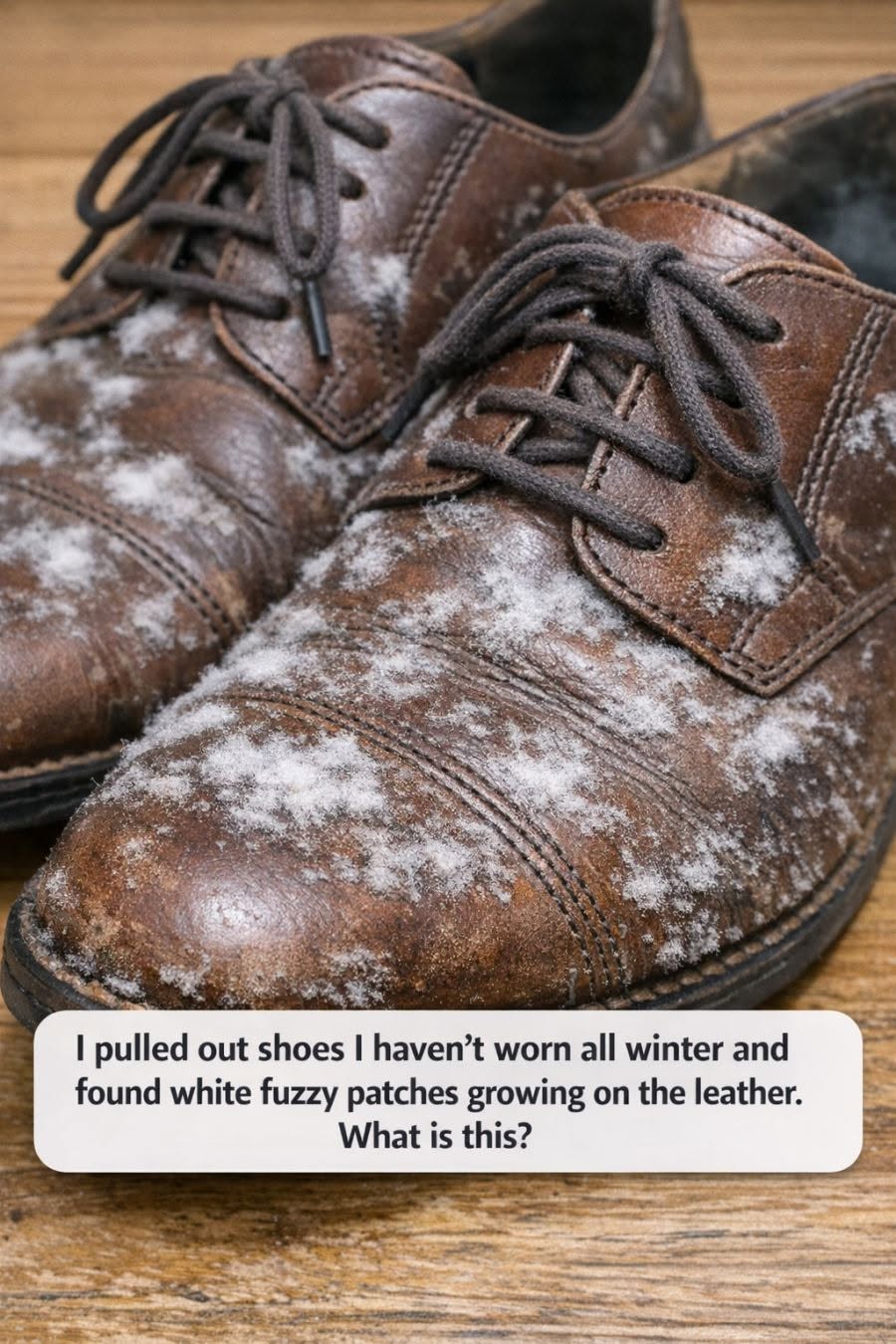
If you suspect that mold might be the cause of the dark carpet edges, or if you notice other signs of potential mold growth, such as persistent musty odors or health symptoms among occupants, it may be time to call in a specialist.
An indoor air quality or mold specialist can conduct tests to determine the presence and type of mold and recommend appropriate remediation measures. Addressing mold issues promptly is essential to protect both the health of the home’s occupants and the structural integrity of the building.
11. How to Keep Your Carpet Edges Clean for Good
To maintain clean carpet edges, regular cleaning and preventive maintenance are essential. In addition to vacuuming, periodic professional cleanings can help keep carpets in top condition.
Implementing preventive measures, such as sealing gaps and improving air filtration, will also go a long way in preventing the buildup of particles along carpet edges. By staying vigilant and addressing issues as they arise, you can enjoy a cleaner, healthier home environment.