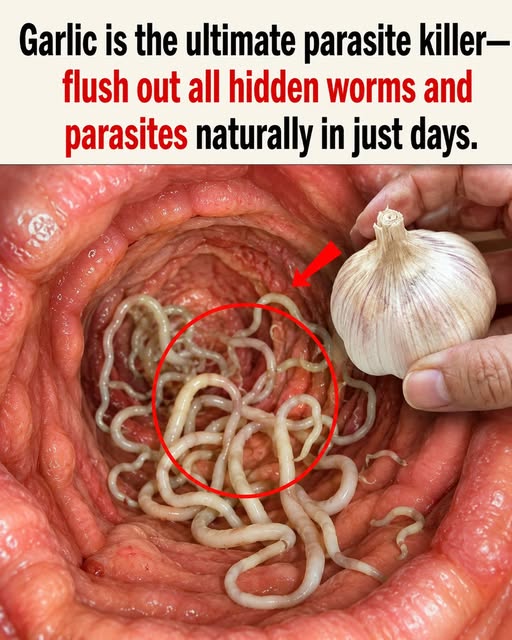
That sharp garlic bite that burns the tongue and lingers on the breath is not just flavor. The moment you crush a clove, you rupture tiny cells and set off a sulfur-loaded chemical burst that creates allicin, the compound researchers keep circling back to when they study bacteria, infections, and the body’s own defense system.
It’s a little like cracking open a smoke grenade inside a dry warehouse: nothing happens while the clove sits whole, but the instant you smash it, the air changes. That’s the part most people miss. Garlic doesn’t work like a sleepy seasoning sprinkled on top of dinner. It wakes up only when you break it apart.
And that is exactly why so many people get the story wrong. They chew a cooked clove into soft, sweet nothingness and wonder why the punch feels weaker, while the real action happens in