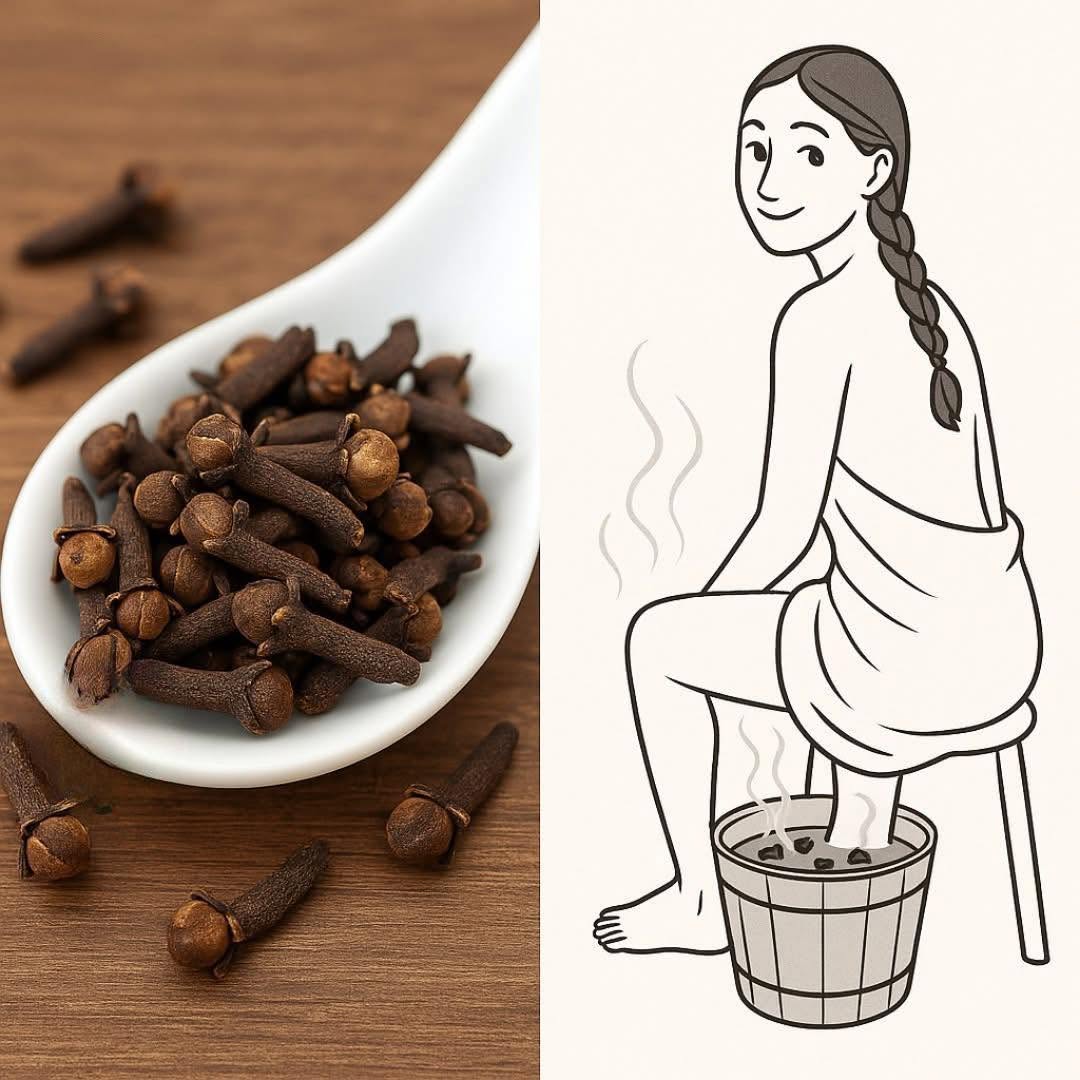
protect cells from oxidative stress caused by unstable molecules known as free radicals.
Because cloves contain concentrated amounts of these compounds, even a small quantity can contribute antioxidant compounds to the diet.
However, this does not mean that eating cloves can prevent aging or cure disease.
They are simply one possible source of antioxidants within an overall healthy diet.
2. Traditional Use for Tooth Pain
Cloves have a long history of use for dental discomfort.
Eugenol, the main aromatic compound in clove oil, has properties that can produce a numbing effect and has been used in some dental products.
For this reason, clove preparations have traditionally been used to temporarily relieve tooth or gum discomfort.
However, clove oil should not be treated as a replacement for professional dental care.
A toothache can be caused by tooth decay, infection, gum disease, or other problems that require proper treatment.