White Garlic vs. Purple Garlic: What’s the Difference and Which Is Better?
Garlic is one of the most popular ingredients used in kitchens around the world. It adds a strong aroma and delicious flavor to soups, sauces, vegetables, meat, and many other dishes.
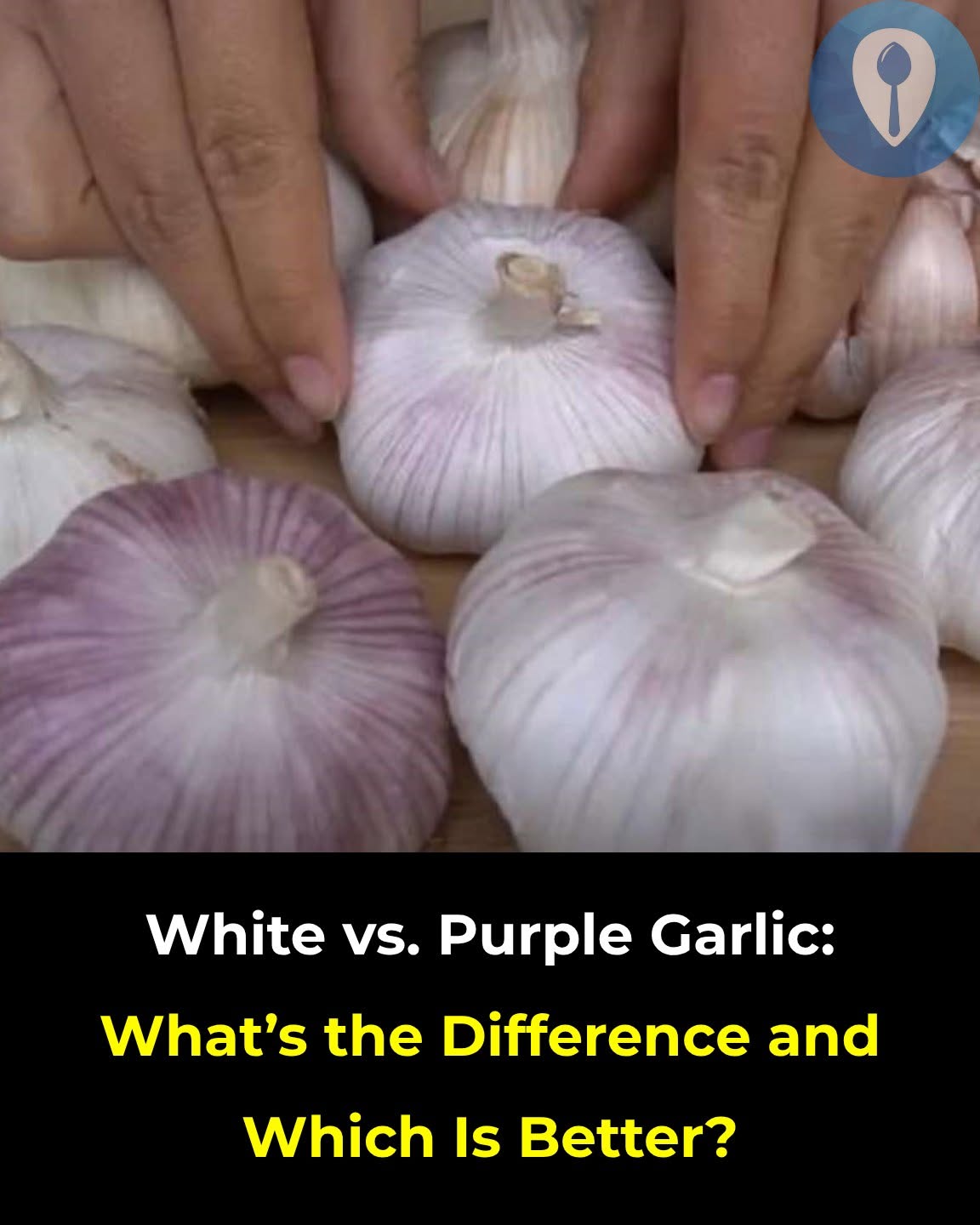
When shopping for garlic, you may notice that some bulbs have white skin while others have purple or reddish streaks. This raises an interesting question: Is purple garlic healthier than white garlic?
The answer is not as simple as choosing one color over the other. Both types can be nutritious, but they can differ in flavor, texture, growing conditions, storage, and the amounts of certain plant compounds they contain.
What Is White Garlic?
White garlic is the type most commonly found in supermarkets and kitchens.
It usually has several layers of white or cream-colored skin, with pale cloves inside. Depending on the variety, the cloves may be large and relatively uniform.
White garlic is popular because it generally has:
- A familiar garlic flavor
- A firm texture
- Good storage ability
- Many uses in cooking
- Easy availability
However, it is important to remember that “white garlic” does not describe just one specific variety. Different varieties can have different flavors and characteristics.