large amounts of salt can make it flavorful without adding much sodium.
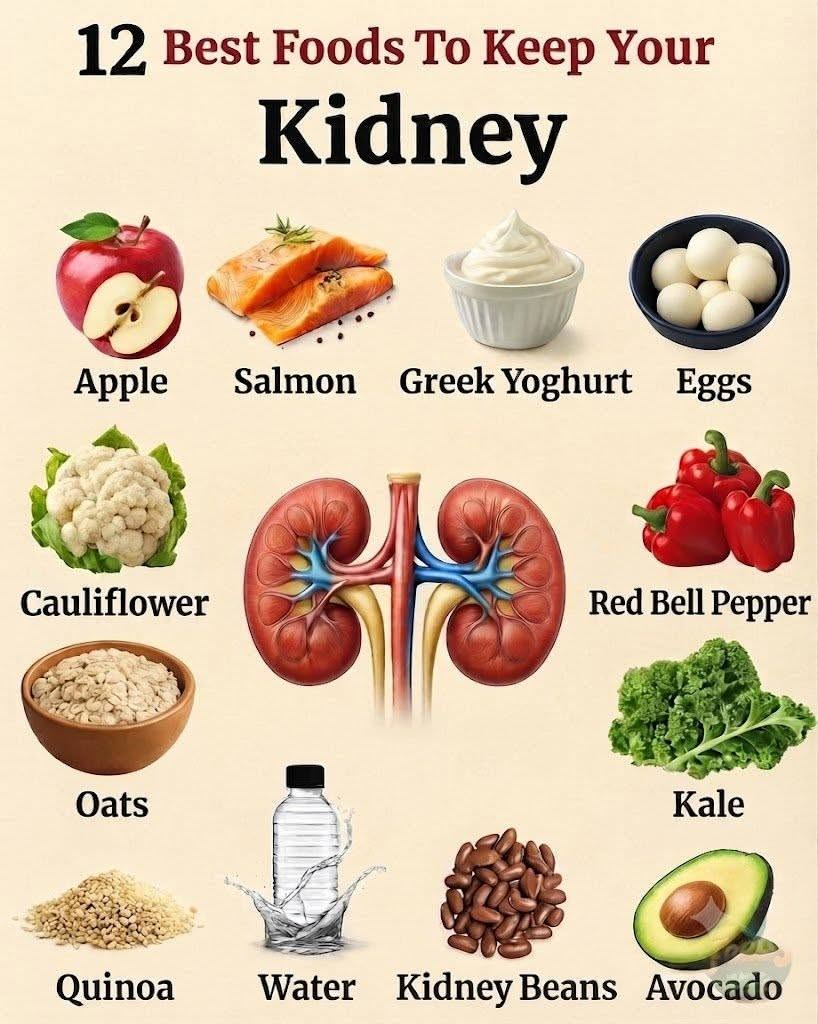
6. Bell Peppers
Red, yellow, orange, and green peppers add color and flavor while providing vitamin C and other nutrients.
They work well in salads, omelets, stir-fries, sandwiches, and roasted vegetable dishes.
Fresh vegetables like peppers can also help make meals more satisfying.
7. Garlic
Garlic can provide plenty of flavor without adding sodium.
Using herbs, spices, garlic, onions, lemon juice, and vinegar can make it easier to reduce your reliance on salt.
That’s particularly useful because excessive sodium intake can contribute to high blood pressure, which is an important risk factor for kidney disease.
8. Olive Oil
Extra-virgin olive oil contains mostly unsaturated fats and can be a useful alternative to some sources of saturated fat.
Try drizzling a small amount over vegetables or using it in homemade salad dressings.
Remember that oil is calorie-dense, so moderation