high fiber content can make them a useful addition to a balanced diet. Try adding them to yogurt, overnight oats, smoothies, or chia pudding.
Because chia seeds absorb liquid and expand, they are best consumed with adequate fluids and incorporated appropriately into meals.
3. Pumpkin Seeds
Pumpkin seeds provide nutrients such as magnesium, zinc, protein, and unsaturated fats.
Magnesium is involved in many normal processes in the body, including muscle and nerve function. A small handful of unsalted pumpkin seeds can make a convenient snack or salad topping.
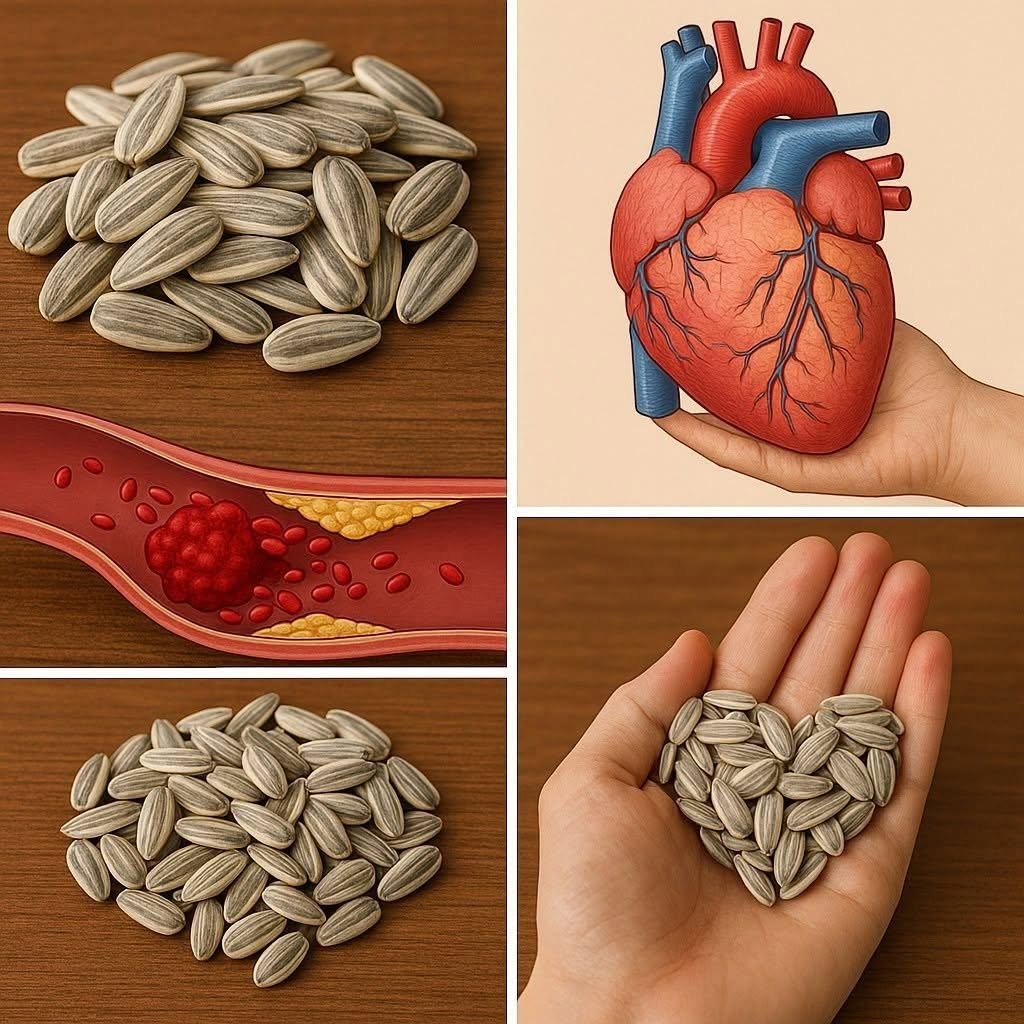
4. Sunflower Seeds
Sunflower seeds contain vitamin E, healthy unsaturated fats, protein, and other nutrients.
When choosing them, look for unsalted or lightly salted varieties, since eating excessive sodium can work against cardiovascular health.
They can be added to salads, grain bowls, yogurt, or homemade snack mixes.
5. Sesame Seeds
Sesame seeds contain unsaturated fats, fiber, protein, and several minerals.
They are