particularly easy to incorporate into everyday meals. Sprinkle them over vegetables, rice dishes, salads, or use tahini as part of a balanced sauce or dressing.
6. Hemp Seeds
Hemp seeds provide protein, unsaturated fats, and several minerals. Their mild flavor makes them easy to add to breakfast bowls, salads, soups, and smoothies.
They can be especially useful for people looking for plant-based sources of protein and healthy fats.
7. What Makes Seeds Interesting for Heart Health?
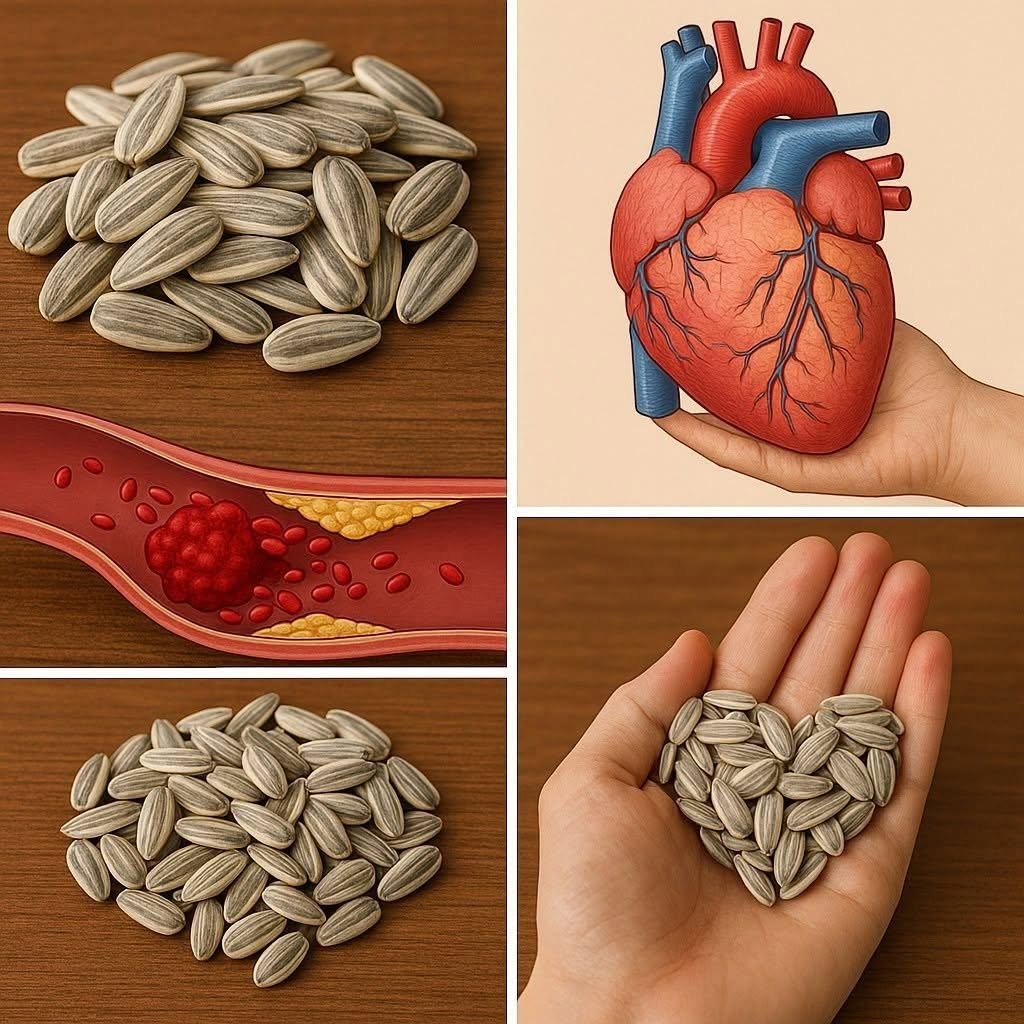
The potential value of seeds comes less from one magical ingredient and more from their overall nutritional profile.
Depending on the variety, seeds can provide:
- Fiber
- Unsaturated fats
- Plant-based omega-3 fatty acids
- Protein
- Magnesium and other minerals
- Antioxidant compounds
Replacing foods high in saturated fat or refined carbohydrates with nutrient-dense foods such as seeds may be a more meaningful dietary strategy than simply adding large amounts of seeds to an otherwise unhealthy diet.