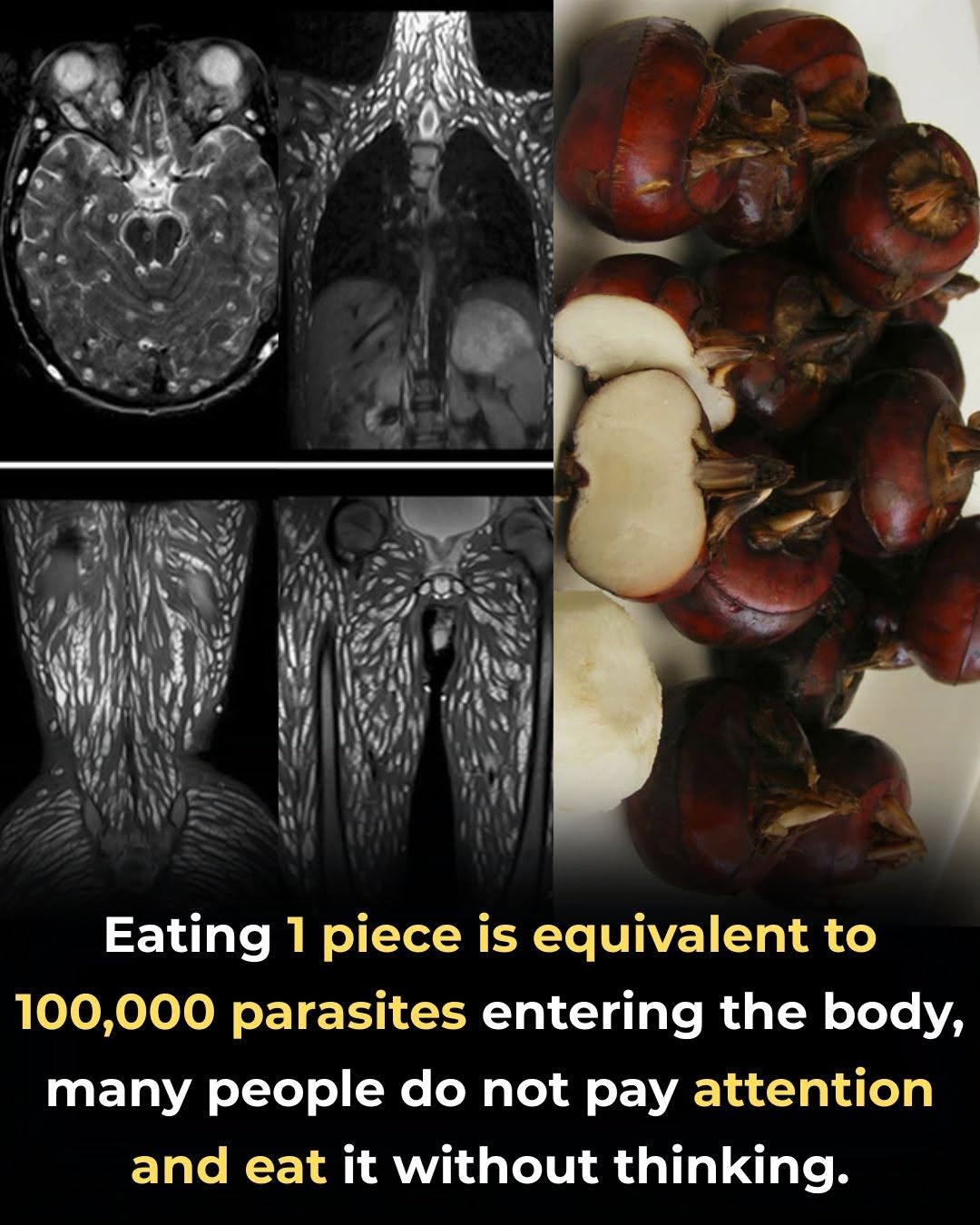
is one of the most effective ways to reduce these risks.
2. Raw or Undercooked Shellfish
Shellfish such as oysters, clams, and mussels can become contaminated because they filter water as they feed.
If the surrounding water contains harmful microorganisms, these organisms may accumulate in the shellfish.
Eating shellfish raw or undercooked can therefore increase the risk of foodborne illness.
Thorough cooking is an important safety measure.
3. Unwashed Fruits and Vegetables
Fresh produce can become contaminated with parasites and other microorganisms through soil, irrigation water, animal waste, handling, transportation, or preparation.
Some parasites associated with contaminated produce include Giardia and Toxoplasma gondii.
This is why fruits and vegetables should be washed carefully under clean running water before they are eaten.
Washing does not make contaminated produce absolutely risk-free, but it can help reduce contamination on the surface.
4. Unpasteurized Dairy Products
Raw or unpasteurized milk and dairy products can